Frustration
Passion's Paradox
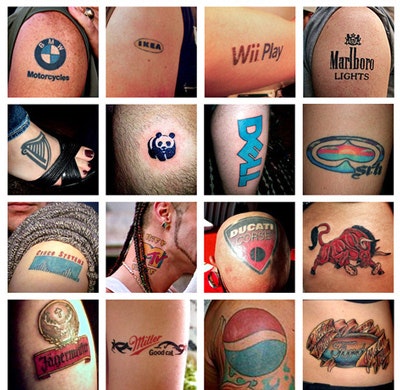
The goal of any brand in today's consumerist landscape is to create a passionate following. Following the best practices of politics and religion, we seek to create a group so dedicated to our brand that these passionate followers do our job for us, spreading the brand message, making recommendations on products, and living the brand ethos in all they do. They've been called zealots, ambassadors, fanboys, and devotees. They've been known to get tattoos of a brand's logo, and will buy the latest product without hesitation. They're good to have.
But this group's passion also brings great potential for criticism. These are the hardest-to-please lot, and the ones who will scrutinize the actions of the brand closer than any unsuspecting consumer or would-be client. This is Passion's Paradox.
Even some of today's most popular brands, proud of their cult-like followings, suffer from sniping within their ranks. Brands like John Deere and Harley Davidson have been caught sourcing inferior parts only by those who tinker under the hood year after year. Die-hard fans of Starbucks or In-and-Out Burger will shout in the streets when their favorite product or flavor is discontinued ' even though it was never listed on the menu to begin with.
Apple's "fanboys", as they are often called, are notorious for this. Those who use the products day in and day out, who buy new items on day one, and who will camp out for days in front of an Apple store are usually the first ones to observe and decry the decisions made in the design of the product, its release, or even its coloring. (We're still waiting for our white iPhones, by the way.) This week's release of the iPad 2 saw elated commentary ' and eye-rolls ' emerge mere seconds after Steve Jobs announced each feature, thanks to Twitter and live blogging.
Designers too have been known to let their passions run wild. As most of us rely on several Adobe software titles, we're very keen to observe the shortcomings and vent our frustrations via Twitter, forums, and even entire websites. Dear Adobe is a website set up with just this purpose in mind ' an open forum to tell Adobe where there is room for improvement in their products and general operations. A while back, a web designer named Dustin Curtis took the bold step of redesigning the website for American Airlines after his ongoing frustrations as a frequent traveler. Now that's passion. Designers are not afraid to lend their skills toward improving a brand experience, especially for something we're passionate about. I even did a cheeky redesign for the UPS website.
Dustin Curtis's redesign of American Airlines
So what can brands do to ensure their passionate fan-base doesn't revolt over minor frustrations? Two things: create an avenue for suggestions, and keep people informed on what you're up to. Yes, this requires an effort on the brand's part, I'm afraid to say. By creating a sort of suggestion box, users can feel as if they're playing a role in the brand's future. If their suggestion gets used or implemented, you better believe that user is going to spread the word, even for a minor site update or the return of an obscure flavor. Communicating with the public can occur in many channels. Creating (and monitoring) a Twitter account, a Facebook page, and an internal blog are all great ways to get feedback on how folks are using your product or service. Going beyond this, give the people some insight into how the brand is constantly improving. One blog that does this well is OK Trends, the internal blog of dating site OK Cupid, which presents academic style case studies of how the staff is constantly learning, and how you can make your experience better. Starbucks has a pretty decent site as well. My Starbucks Idea allows users to post forum-style about topics relevant to their personal coffee-drinking needs. And to sign a petition to bring back Almond flavor syrup, in my case.
Your brand doesn't need a PhD candidate writing blog posts, but even a remark saying "here's a suggestion we got ... and we're going to do it." goes a long way wrestling the public's passions to a manageable level. We enjoy being passionate about our brands. We like spreading the word about good experiences and putting out warnings when things go bad. Creating the channels to improve our favorite brands a is a victory for everyone.
Prescott Perez-Fox is an independent brand developer and graphic designer in Metro New York. His passions often run wild, all over his blog, perezfox.com ??