Posted by IMN on 10 March 2026
Building the future: How build-to-rent is reshaping housing in 2026
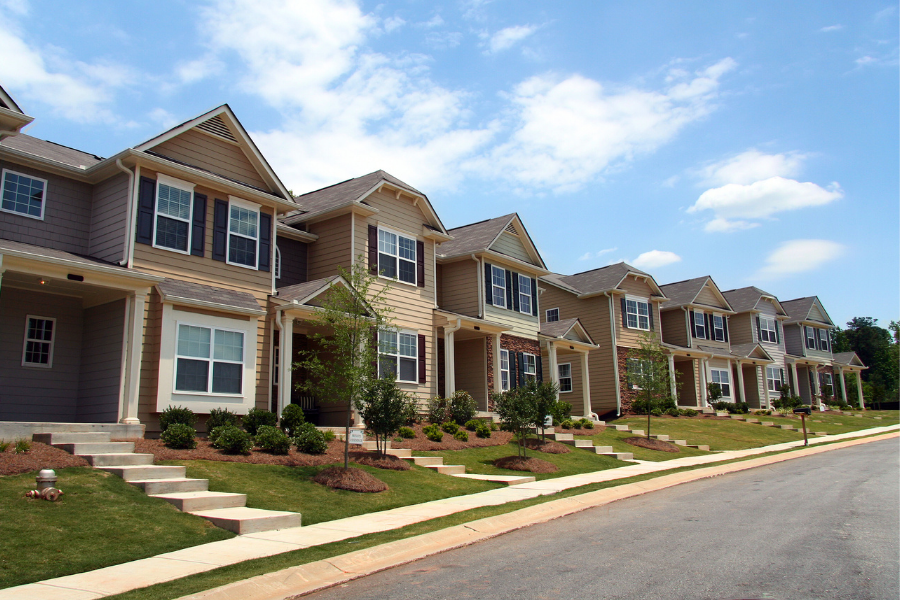
The build-to-rent (BTR) sector continues to emerge as a transformative force in residential real estate, offering renters the space and privacy of single-family homes with the flexibility and convenience of professional management. As we move through 2026, the market is on solid footing, driven by strong demand, evolving resident preferences, and a growing recognition of BTR’s role in addressing housing challenges. Ahead of IMN’s Build-to-Rent Spring conference, we spoke with three of our expert speakers to gain their insights into the state of the industry, the opportunities ahead, and the innovations shaping the future of BTR.
A market built on demand and resilience
The early 2026 BTR market was described by John Isakson, Chief Executive Officer of ARK Homes for Rent, as being on solid footing and playing an increasingly important role in housing. He explained that demand remains strong due to challenges in homeownership affordability. “While interest rates have moderated from their recent peak, home prices have risen, and fewer households qualify for a mortgage today than before the pandemic,” Isakson said. This affordability gap has made renting a home a more practical option for many families, driving sustained interest in BTR communities.
Jessica Delis, Senior Director of Build-to-Rent Operations at Cardinal Group Companies, shared that investor sentiment has shifted significantly. She noted, “equity is moving off the sidelines with a renewed appetite for both acquisition of stabilized portfolios and ground-up development.” This renewed investor interest reflects confidence in the market’s resilience and scalability.
Hayden Glasstetter, Director of Build-to-Rent at AvalonBay Communities, also emphasized the strong demand for BTR because it meets a real need in the housing market. He explained, “renters increasingly want the space and privacy of a single family home but value the flexibility and service that comes with renting.” This growing demand for BTR communities tailored to modern lifestyles has been a key driver of the market’s success.
Shifting capital and collaboration in the housing market
The speakers also discussed how regulatory pressures on single family rental (SFR) investors could reshape the housing landscape, pushing more capital toward BTR developments. Glasstetter noted that BTR offers institutional investors operational consistency that SFR often could not. “A community built, leased, and managed as a cohesive whole provides cleaner data, more efficient maintenance, and a better resident experience,” he said. This operational advantage positions BTR as an increasingly attractive option for institutional investors, especially as regulatory pressures mount in the SFR space.
Isakson added that restrictions on SFR investors could lead to a positive shift in capital toward BTR. “Build-to-rent adds new housing supply rather than competing for existing homes,” he explained. He also highlighted the efficiency and planning advantages of purpose-built communities, which support both availability and affordability.
Interestingly, the speakers agreed that this shifting landscape could foster collaboration between SFR and BTR players. Isakson remarked, “there is room for collaboration, because the housing shortage is significant. Both SFR and BTR are responding to the same underlying issue of a growing population that needs quality rental housing.” This alignment around operations and capital strategies could help address the housing shortage rather than intensify competition.
Innovations driving the future of BTR
One of the most exciting aspects of the BTR market, according to these experts, is its rapid evolution and innovation. Developers are increasingly designing communities around how families actually live, with larger floor plans, private yards, and layouts that support hybrid work. These features fill a critical gap in the rental housing market, particularly for families who want the feel of a neighborhood without the financial burden of homeownership.
Delis highlighted the importance of technology in enhancing the resident experience. She explained “by providing a unified digital interface – from the first 'click' of a virtual tour to the final 'tap' of a renewal – we are essentially allowing the resident to curate their own living experience.” This tech-first approach not only streamlines operations but also empowers residents to personalize their living experience, whether they prefer high-touch service or a frictionless process.
Glasstetter shared that renters increasingly expect the privacy and layout of a single family home combined with the convenience of professional management. “We’re seeing a rising preference for private yards, attached garages, and layouts that support hybrid work,” he said. These design innovations are redefining what rental housing can offer, combining the best amenities of apartment living with the space and privacy of single family homes.
Isakson also pointed to the evolving design of BTR communities. "Build-to-rent is increasingly designed around how families actually live, with larger floor plans, outdoor space, and a stronger sense of community,” he noted. These innovations are creating environments that feel cared for and well-managed, making BTR communities more attractive to both residents and investors.
Advice for investors and developers in 2026
For those looking to enter or expand in the BTR market, these experts emphasized the importance of fundamentals. Here are some key takeaways:
- Focus on location and affordability: Micro-market dynamics, such as school districts, job access, and migration patterns, are critical to success. Well-located projects with affordable options will perform best.
- Understand the renter: BTR is not short-term housing. Many residents are families with children who plan to stay for several years. Designing communities that meet their needs is essential.
- Prioritize product design: Durable materials, efficient layouts, and manageable amenity packages can significantly impact operating margins over time. Thoughtful design is key to long-term success.
- Embrace collaboration: The BTR ecosystem is increasingly collaborative, with joint ventures and partnerships offering stability and reducing risk. Working together can help navigate this rapidly evolving sector.
- View BTR as a vital housing option: Renting has evolved over decades and BTR is a durable solution that serves families better than traditional apartments. It’s a critical part of the housing market that addresses real demand.
- Monitor legislative developments: Current proposed legislation is introducing some uncertainty for BTR investors and developers. Staying informed, being proactive and preparing for their impact on long-term investment strategies is crucial for navigating this evolving regulatory landscape.
Looking ahead
The build-to-rent market is poised for continued growth, innovation, and transformation in 2026. As investors and developers adapt to changing conditions and embrace new opportunities, BTR is set to play a pivotal role in addressing the housing needs of renters across the country. IMN’s Build-to-Rent Spring conference will be an invaluable platform for exploring these trends, sharing insights, and connecting with industry leaders who are shaping the future of residential real estate.