Posted by Amy Sarcevic on 16 September 2024
Overcoming disruption fatigue on New Zealand transport networks
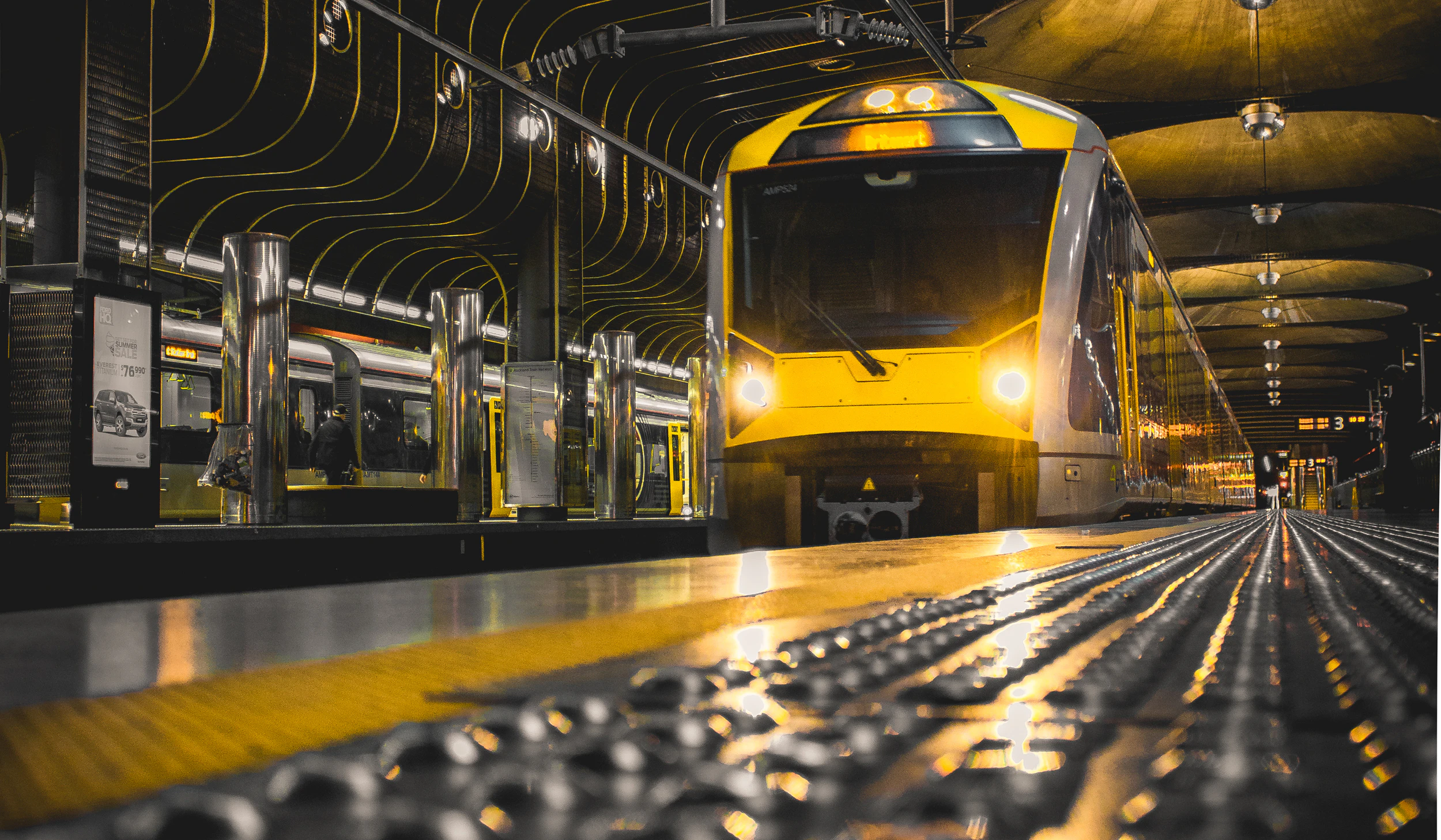
In recent years, cities across Aotearoa New Zealand have undergone major transport upgrades as part of a multi-billion-dollar budget package for rail, roads, and transport. These upgrades aim to improve transit in rapidly growing cities like Auckland, which is projected to grow by 6.2 million people over the next thirty years. Currently, Auckland commuters spend an average of five full days stuck in traffic each year.
However, these upgrades often come with challenges for the public, including line closures and street diversions lasting up to six years. This has led to widespread "disruption fatigue," threatening the social license to operate (SLO) for major projects.
Addressing Disruption Fatigue
Stacey van der Putten, Director at Auckland Transport and Chair of the Australasian Railway Association's Aotearoa Rail Committee, acknowledges the issue but believes it can be managed with the right approach.
"Auckland has been disrupted with the City Rail Link project since 2017, and even more so during COVID, so people's tolerance towards it is wearing very thin. But there are definitely ways to soften attitudes and bring the public back on board with major infrastructure developments," she said.
Strategies to Improve Public Perception
Paint a Picture
Van der Putten emphasizes that maintaining SLO is a continual effort throughout the project lifecycle. Transport operators should refresh public messaging during the delivery phase to remind people of the long-term benefits.
"You need to keep painting a picture, especially when it's a far-off reality for people and they are more worried about the here and now. Ideally, you want to take people on the journey and help them understand the benefit of the disruption in terms of productivity and the growth potential of their city."
Keep It Simple
Effective communication requires simplicity. Van der Putten suggests keeping public outreach brief and focused, avoiding information overload.
"These days we've all got attention span issues, and there is only so much we can digest and hold interest in. We want people to actually listen to what we are saying, so we definitely don't want to go overboard with public outreach."
Target the Whole Public, Not Just Commuters
Messaging should reach all stakeholders, not just commuters. Local business owners and other community members affected by construction activity should also be included in knowledge campaigns.
"It's not just people's commute times being affected. It's foot traffic to local businesses. It's noise and sight pollution to other members of the public. And, of course, when it comes to SLO, everyone's opinions matter."
Van der Putten highlights the importance of speaking to the entire community to help them see the broader, long-term value of transport upgrades.
Join the Debate
Stacey van der Putten will host a panel discussion on this and other prominent issues in rail at the upcoming New Zealand Rail Conference. The event will take place on 16-17 October at the Aotea Centre, Auckland.
About Stacey van der Putten
Stacey van der Putten is the Director of Public Transport and Active Modes at Auckland Transport. She is also Chair of the Australasian Railway Association's Aotearoa Rail Committee, a TrackSafe board trustee, and a board director of the Public Transport Association of Australia & New Zealand (PTAANZ). Stacey is passionate about ensuring Auckland has a safe, accessible, and resilient transport system that delivers real benefits to the people of Tāmaki Makaurau.