Posted by Content Marketing on 30 March 2026
Scaling Public Safety Networks Across Complex Facilities
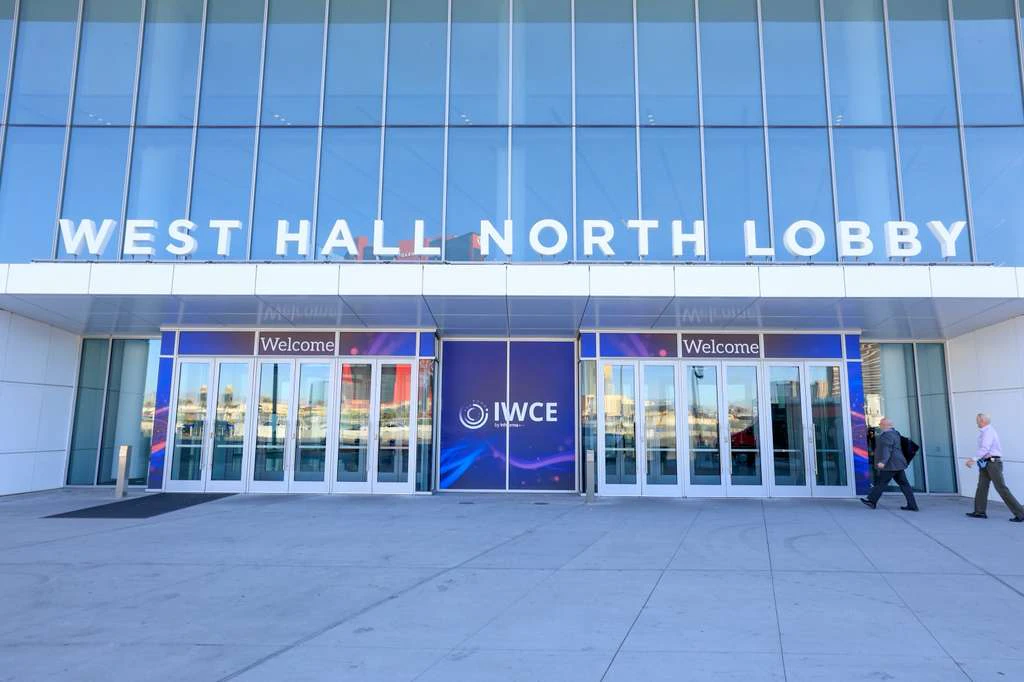
During Session 5, titled "Scaling Public Safety Networks Across Complex Facilities", a panel moderated by Chris Godwin explored the challenges and strategies for building resilient public safety networks in large and complex facilities. The discussion brought together insights from industry experts, including Robin, Gugli, and representatives from RF Industries, to address the critical considerations for designing and maintaining these essential systems.
Key Challenges in Scaling Public Safety Networks
Scaling public safety networks in large facilities is no small feat. The panel highlighted several challenges that organizations face when implementing these systems:
- Building Materials and Surrounding Structures
Robin emphasized the importance of considering not only the building itself but also the materials of neighboring structures. "You need to consider not only the building but also the buildings next door and what materials they are made of because it affects the signal," she explained. Signal interference from surrounding buildings can significantly impact the performance of public safety networks. - Budget Constraints
Tight budgets remain a significant challenge for many organizations. As RF Industries pointed out, the key question is, "How can you put in the most resiliency that the budget can handle?" Balancing cost-effectiveness with the need for robust and reliable systems is a critical part of the planning process. - Jurisdictional Code Variations
Different jurisdictions often have varying codes and regulations for public safety networks. Robin stressed the importance of understanding these requirements early in the process, saying, "Every jurisdiction doesn’t use the same codes. Knowing that info upfront is critical. Make sure you are in communication about that early in the process." - System Monitoring and Maintenance
Continuous monitoring and regular inspections are vital to ensure the health of public safety networks. IoT technology is expected to play a significant role in future monitoring systems, enabling real-time insights and proactive maintenance.
Strategies for Success
The panelists shared several strategies to overcome these challenges and build scalable, resilient public safety networks:
- Holistic Planning and Design
A holistic approach is essential for success. As the moderator noted, "Planning is key. It comes down to design and understanding the big picture." This includes considering macro networks, creating digital twins for data collection, and ensuring proper documentation. - Temperature Control for Equipment
Maintaining the right temperature for equipment is critical. Robin highlighted that "Temperature control is important for equipment. It doesn’t need to be comfortable for humans. It has to be comfortable for the equipment." Monitoring and optimizing temperature can also lead to energy savings. - Fiber as the Go-To Solution
Fiber remains the preferred choice for large facilities due to its reliability and capacity to handle high data demands. The industry is moving toward "quick data, quick reaction," as Gugli pointed out, making fiber an essential component of modern public safety networks. - Building Resiliency
Resiliency is a cornerstone of public safety networks. The panelists stressed the importance of designing systems that can withstand failures, with the moderator reminding attendees that "Nothing works better than its weakest link."
The Future of Public Safety Networks
The session concluded with a forward-looking discussion on the role of technology in shaping the future of public safety networks. IoT, AI, and digital twins are expected to play a significant role in improving system monitoring, data collection, and overall performance. By adopting a holistic approach and leveraging advanced technologies, organizations can build scalable, resilient networks that meet the demands of today’s complex facilities.