Posted by Panel takeaways from IMN's RTL & DSCR conference on 26 January 2026
On-site insights: RTL & DSCR
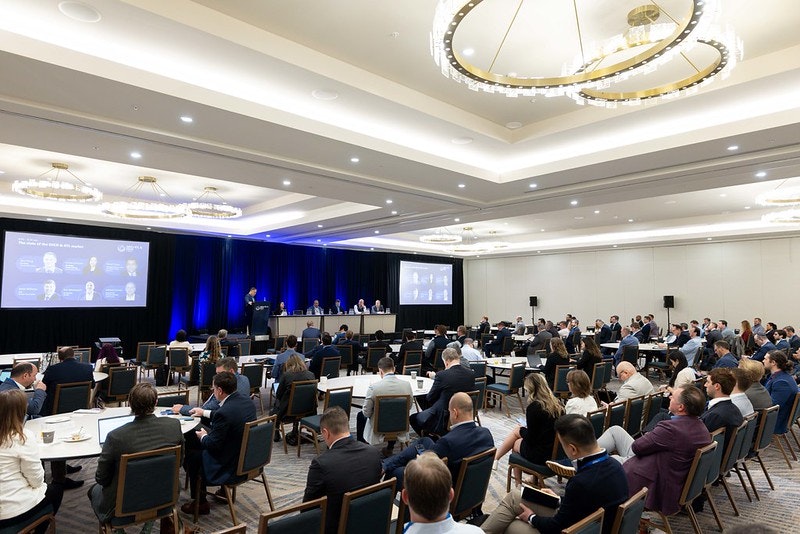
Whilst at IMN's RTL & DSCR conference, panelists discussed the resilience and growth of the Residential Transition Loan (RTL) and Debt Service Coverage Ratio (DSCR) markets, highlighting their performance amidst broader mortgage market challenges. The opening panel noted that these asset classes have benefited from secular trends such as the increasing share of investor purchases and the expansion of the single-family rental market. Unlike owner-occupied consumer mortgages, RTL and DSCR loans are less rate-sensitive, which has contributed to their stability and appeal. Despite macroeconomic pressures like inflation, affordability concerns, and geopolitical uncertainties, the panelists emphasized the availability of liquidity and strong demand for these products. They also pointed out that the market has matured significantly, with rated securitizations becoming more prevalent, marking a shift toward greater acceptance and standardization.
The discussion also delved into operational and risk management practices within the RTL and DSCR spaces. Panelists highlighted the importance of operational risk reviews, particularly for RTL lenders, whose approaches can vary widely. They stressed the need for thorough evaluations of originators’ processes, including draw funding, extensions, and default management. Data collection was identified as a critical challenge, given the relatively limited performance history of RTL loans compared to traditional mortgages. However, the panelists noted consistent trends, such as fast paydowns and high rates of resolution for delinquent loans. In contrast, DSCR loans were described as more standardized and data-driven, with operational requirements being relatively commoditized. The panelists underscored the importance of leveraging data to assess performance and manage risks effectively in both asset classes.
On the "DSCR RTL investor perspective: market evaluations" panel, speakers emphasized the importance of adaptability and strategic partnerships in navigating current economic conditions. They highlighted the institutionalization of RTL, which has attracted large insurance companies and money managers, creating heightened competition for quality loans. Panelists noted the shift towards more complex products, such as ground-up construction loans, which require deeper expertise and offer higher yields. They also addressed the challenges posed by servicing retained loans, advocating for streamlined systems and fewer servicing partners to enhance efficiency. The discussion underscored the significance of maintaining strong sponsor relationships and targeting high-performing originators to ensure long-term growth. Additionally, the panelists remarked on the increasing demand for DSCR and RTL products as yield enhancers, driven by compressed spreads in other asset classes, while cautioning against risks associated with pricing and product nuances.
The panel on "Financing: Capital Markets & Risk Management" explored the evolving dynamics of capital markets, liquidity strategies, and risk management in the lending industry. Panelists highlighted the importance of diversifying capital stacks, leveraging securitization, insurance bids, and balance sheet strategies to navigate market fluctuations. They discussed the growing institutionalization of the market, with increased participation from institutional investors driving tighter spreads, higher advance rates, and looser structures. The conversation also emphasized the need for lenders to maintain multiple sources of liquidity, adapt to heightened competition, and prepare for potential market shocks by ensuring sufficient equity and robust risk management practices. Valuation discipline, market selection, and structural protections were identified as critical focus areas, with panelists stressing the importance of relationships, data-driven decision-making, and hedging strategies to mitigate risks and sustain operations during economic uncertainties.
Overall, key session takeaways include the importance of operational risk management, data-driven strategies, and adaptability to economic pressures, alongside the institutionalization of these markets and growing demand for high-yield products.
Key dates: