Posted by Shannon Thaler Cherry on 03 August 2026
Summer Strategy: How Winter Hotspots Win Travelers After the Snow Melts

When summertime temperatures climb into the 90s across the country, some travelers are headed somewhere unexpected: ski towns.
Long associated with fresh powder and chairlifts, mountain destinations are increasingly making a case for summer, swapping ski runs for hiking trails, mountain biking, scenic gondola rides, and open-air festivals. The appeal? Cooler temperatures, fewer crowds, and plenty of ways to experience the mountains once the snow has melted.
Park City, Utah, generates 65% of its tourism revenue during the winter and spring months and the remaining 35% in summer and fall. For the destination, the strategy isn't about reinventing itself. It's about highlighting a different side of it. "We simply promote the different recreation and event offerings from season to season," said Visit Park City's Vice President of Sales and Communications, Dan Howard.
When marketing a mountain town 365 days a year, Howard said the goal is to let prospective visitors picture themselves there, regardless of the season. "We show images from all four seasons and allow the consumer to gravitate towards the images they are looking for, that resonate with them and their travel purpose," he said.
For snow bunnies, that's likely the snow-capped peaks—still Park City's busiest season, when room rates are "by a factor of three" higher than in the summer, Howard said, noting that the city is home to eight of Utah’s top 10 highest-rated hotels. But the destination welcomes roughly 3 million overnight visitors annually, regardless of the time of year. In fact, many visitors end up discovering that the mountain town's appeal stretches well beyond ski season.
"We came for the winter, but stayed for the summer," Howard said, describing a phrase that has become something of an unofficial Park City mantra.
Peak Seasons
Whistler, British Columbia, Canada, faces many of the same assumptions. The biggest misconception is that the resort town is only a winter destination, according to Lauren Everest, Tourism Whistler's senior manager of corporate and member communications. In reality, the split is almost even, with 51% of annual visitation occurring between May and October. It’s a ratio that’s taken nearly 15 years to even out, Everest said.
That reality inspired the DMO's "Thrill Runs Deep" marketing platform. Notably absent is any mention of snow. Instead, the campaign leans into a feeling rather than a season. It’s one that could just as easily describe carving down a ski slope as it could mountain biking, hiking through alpine wildflowers, or teeing off with mountain views.
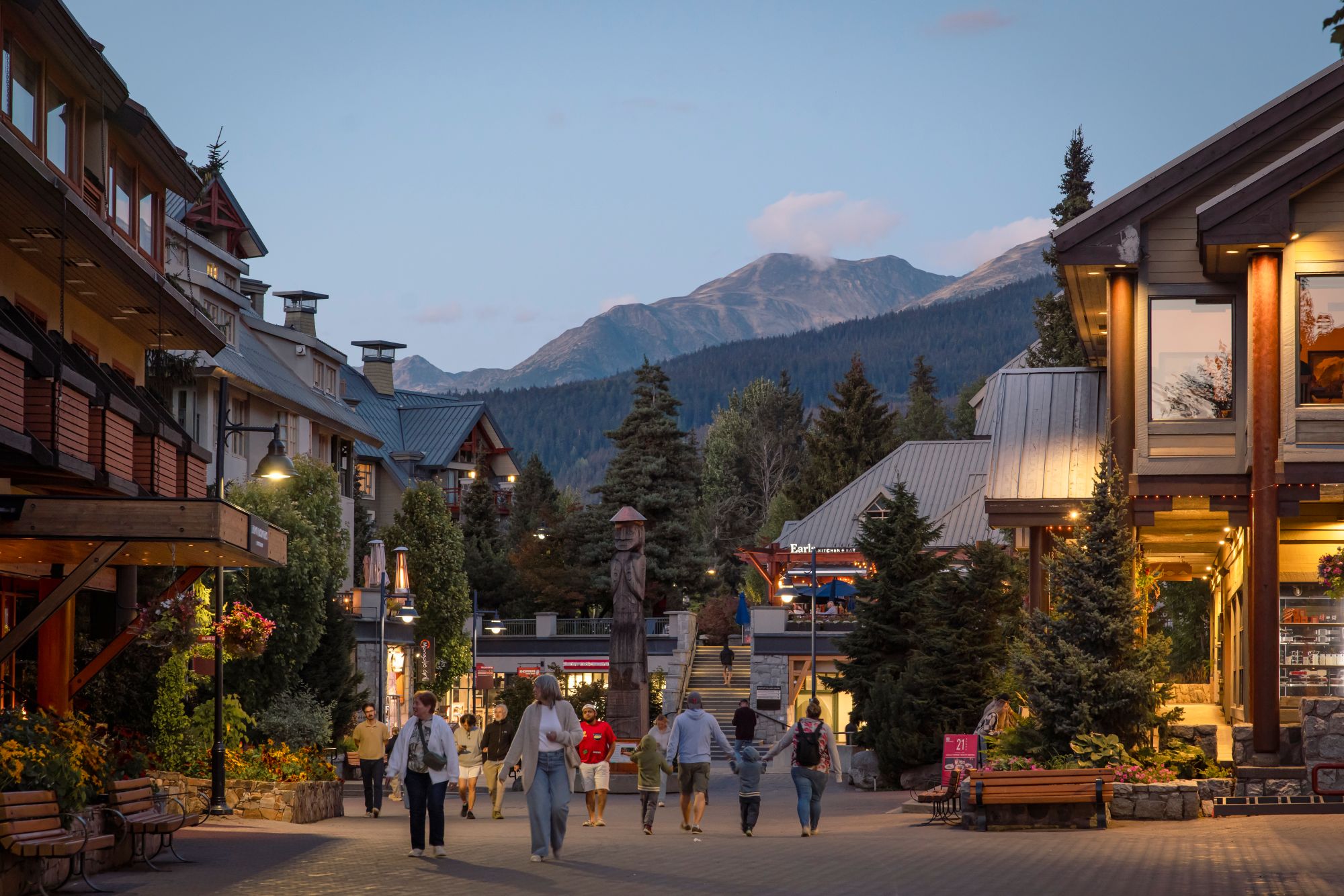 51% of Whistler's visitation comes from May to October. Credit: Tourism Whistler.
Events also play a key role in extending visitation beyond peak ski months.
Each November, Whistler Cornucopia celebrates the region's food and drink, from BeaverTail pastries and poutine to local craft beer. It’s looking forward to its 30th edition this year. Then, in June, the month-long Nourish Whistler Wellness Series transforms the mountain town into a hub for movement and mindfulness, with more than 100 curated experiences ranging from Pilates classes and cold-plunge sessions to intimate, ticketed chef dinners and hands-on fermentation workshops.
Overcoming Perceptions
The same perception shift is happening in Ulster County, New York, nestled in the Catskill Mountains about 95 miles north of New York City. While many associate the region with Belleayre Mountain Ski Center, most of the county's tourism business actually takes place during the summer. "The season is longer," after all, said Lisa Berger, director of the Ulster County Department of Tourism.
Much of that success is tied to investments from Belleayre Mountain's owner, the Olympic Regional Development Authority, which has steadily expanded warm-weather programming over the past five years. Today, visitors can tackle mountain bike trails, ride the gondola for panoramic views before hiking back down, or spend a Friday evening playing disc golf during "Friday Nights on the Belt," where food trucks, live music, and mountain sunsets create a laid-back summer gathering.
Winter investment hasn't slowed, either. The county continues investing in snowmaking technology, allowing roughly 90% of Belleayre Mountain to remain snow-covered well into March and even the first week of April. It extends a lucrative season that historically wound down much earlier, Berger said. In recent years, Belleayre sees as many as 6,000 visitors on a given snowy day.
But beyond the mountain, the Hudson River winds through the county, offering access to more than 350 miles of carriage trails before visitors can cap off the day with a locally brewed craft beer or a glass of Hudson Valley wine.
Like Park City and Whistler, Ulster County's marketing focuses less on a specific season than on a mindset. Rather than defining adventure by snow or sunshine, its "Weekends Are Better Here" campaign invites travelers to decide for themselves what that looks like.
The formula across each destination is remarkably consistent: reduce seasonality, diversify tourism revenue, and give travelers a reason to visit whenever the timing feels right.
In other words, the destinations many of us still view as wintertime hotspots aren't necessarily doing most of their business during the snowy months. Their success comes from expanding the story beyond ski season. They’re not just marketing a season. They’re marketing a lifestyle.
Main Image Credit: Tourism Whistler
Subscribe to our newsletter, covering the top news, trends, and activations in destination marketing.