Posted by Amy Sarcevic on 13 September 2024
The key to a more sustainable New Zealand rail sector
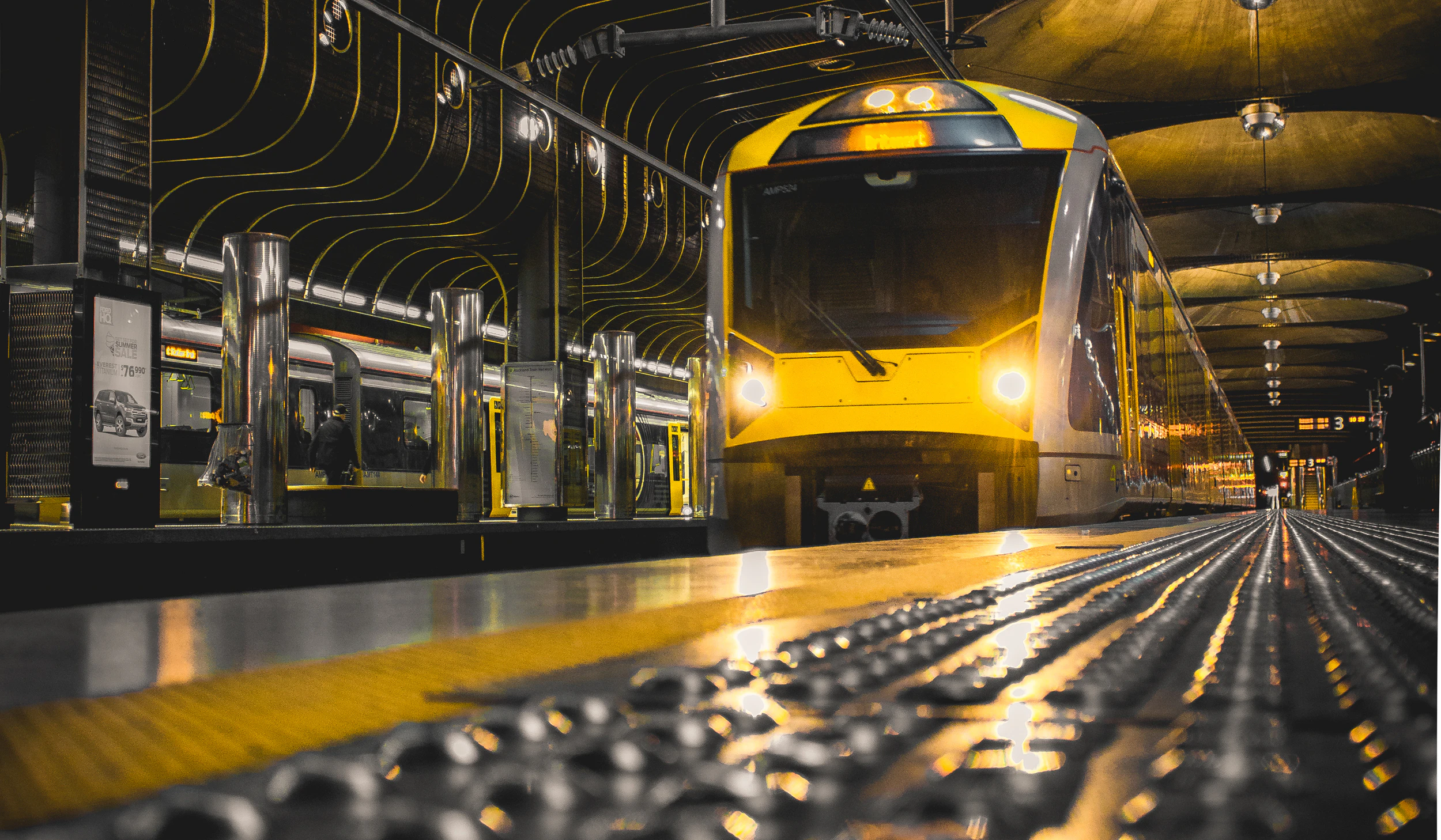
Of a $2.68 billion budget package for roads, rail, and transport, New Zealand's rail sector is set to receive hundreds of millions over the next four years for maintenance, upgrades, and new networks. However, with roads receiving the lion's share of funds at $1 billion—and a lack of bipartisan support for rail—the sector's future pipeline of work remains uncertain. This raises concerns for industry stakeholders.
The Impact of an Uncertain Pipeline
Anthony McFadden of John Holland warns that a perceived lack of future demand could have long-term consequences, including the loss of skilled workers and technical expertise.
"Once the talent has gone, it's not easy to get back. Then, if rail picks up steam again in the future, there won't be enough workers to fulfill projects—and especially not highly qualified workers," he said.
Compromising Safety and Performance
The rail sector has faced a stop-and-go pipeline over the past decade, leading to annual staff turnover rates of 16 to 51 percent—well above the national average. McFadden highlights the risks of this instability:
"Turnover certainly seems to be at an unsustainable level. I can only imagine it getting worse as the pipeline of work evaporates."
He warns that rebuilding a workforce from scratch for each project could compromise safety and performance:
- Skillset Gaps: Workers from other sectors, such as civil engineering, may lack rail-specific technical and OHS skills.
- Reduced Productivity: A new workforce would require time to adapt, leading to inefficiencies.
- Safety Risks: Inexperienced workers could introduce hazards to rail projects.
The Need for Government Support
McFadden emphasizes the importance of bipartisan political support to ensure a steady pipeline of rail projects:
"We need a steady environment that people can entrust their careers to—and this all starts with how rail is prioritized, politically."
He advocates for collaboration between key stakeholders, such as KiwiRail, to map out long-term pipelines and smooth out peaks and troughs in work. This approach could:
- Maintain critical rail skillsets within the sector.
- Enable smaller and medium projects to feed into major initiatives.
- Make rail a more attractive career proposition.
Further Insight
Anthony McFadden will share more views on protecting the future of rail at the upcoming NZ Rail Conference, hosted by Informa Connect. The event will take place on 16-17 October at the Aotea Centre, Auckland.
About Anthony McFadden
Anthony McFadden (BEng - Civil) is a seasoned construction professional with over 20 years of experience in collaborative contracting environments. He has held senior management and operational roles on complex large-scale civil construction, rail, tunneling, and water sector projects across New Zealand and Australia.
As General Manager for John Holland's rail business in New Zealand, NSW, QLD, and ACT, McFadden oversees a portfolio of rail projects ranging from a few million to $1 billion in value.