Posted by Eve Morin, Associate, Director of Interior Design, GKC Architecture & Design on 29 March 2026
Workspaces: Driving engagement and performance through meaningful human connection
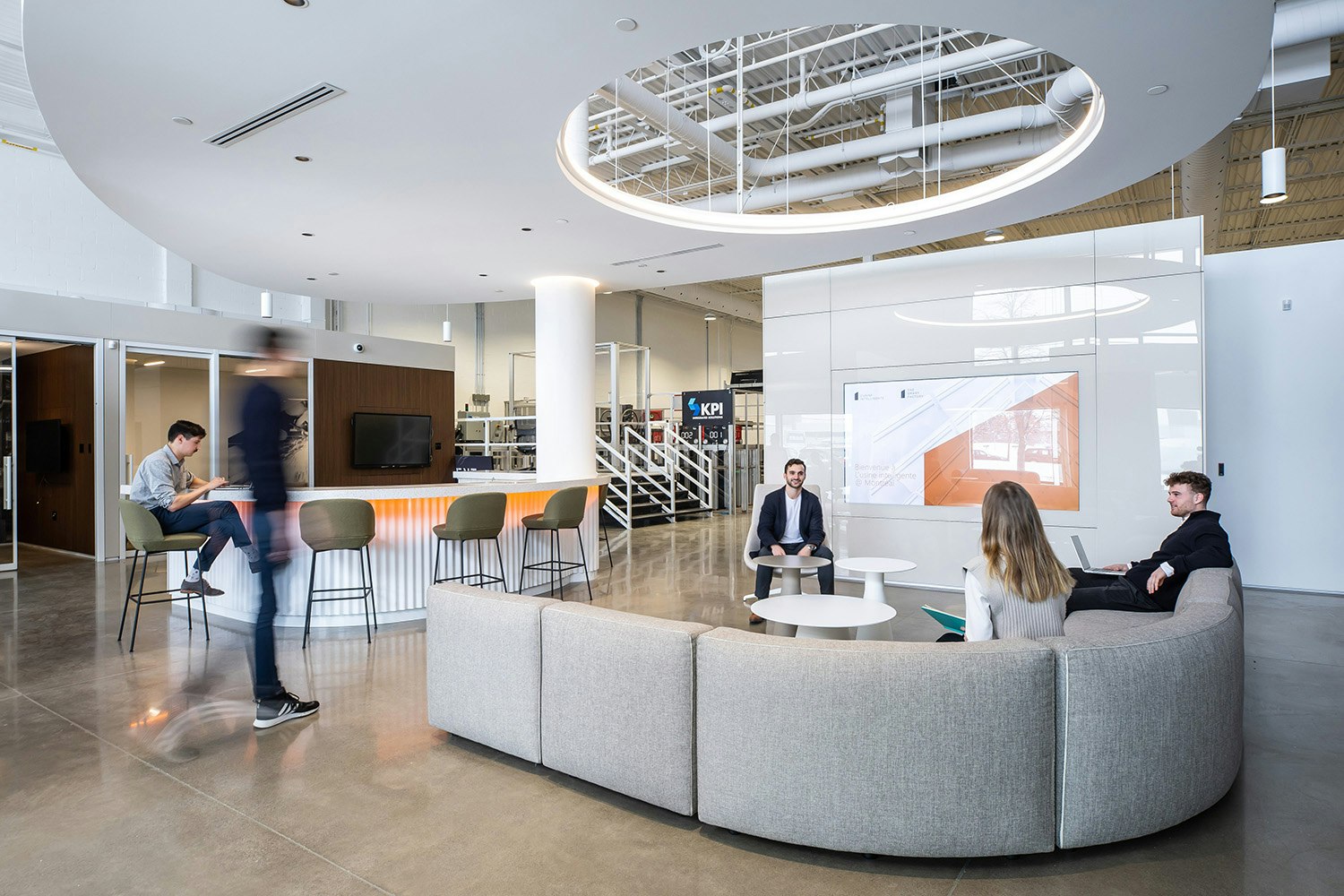
Photo © Eric Carrière
For years, the office was viewed as a simple stopover — a place to get work done before heading home.
But today, the conversation goes far beyond the idea of “returning to the office.”
It raises a deeper question: how do our physical environments influence our desire to collaborate, innovate, and truly engage?
The office as a stabilizing anchor in a changing world
Across North America, organizations are rethinking how work happens. After several years of widespread remote work, the shift back to the office is gaining momentum. A recent KPMG survey shows that 83% of Canadian CEOs expect employees to return full‑time within the next three years.
But this transition isn’t without friction.
Employees are navigating competing needs: flexibility, purpose, digital fatigue, and work‑life balance.
For many, the office must now earn the commute. It’s no longer an obligation — it’s a choice. And that choice depends on whether the space supports collaboration, mentorship, and creativity.
A workplace that reflects the people inside it
The office of 2026 looks nothing like the office of the past.
It’s flexible, hybrid, and dynamic.
You will find quiet zones for deep focus, open areas for teamwork, and informal lounges where colleagues reconnect over coffee. Furniture feels more residential, natural light is prioritized, and material choices reflect a more sustainable mindset.
Research is clear: workplace design directly influences satisfaction, motivation, and performance.
A well‑designed environment isn’t just visually appealing — it’s a catalyst for trust, energy, and collective well‑being.
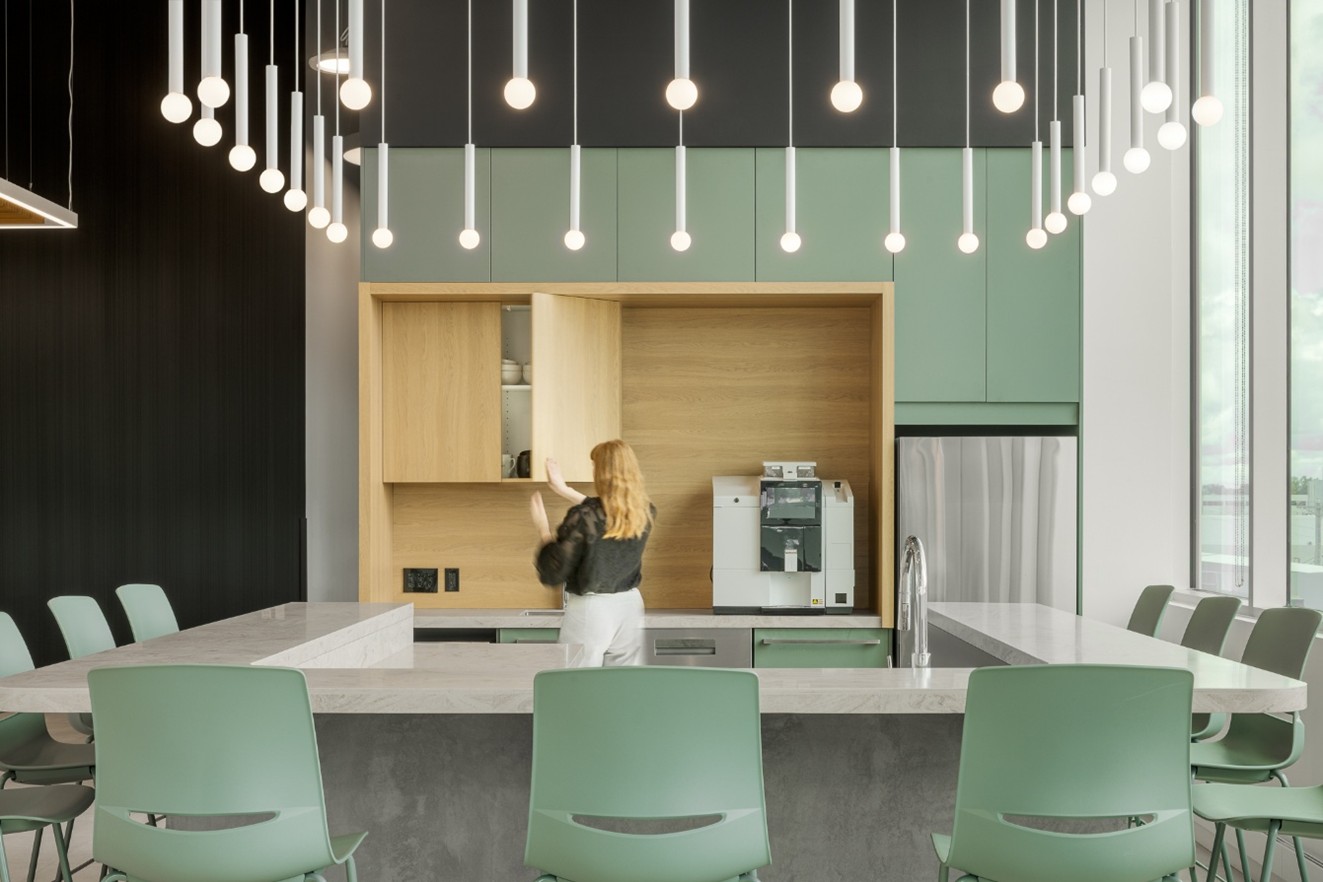
Photo © Damien Ligiardi
Well‑being as a driver of performance
Employee well‑being is no longer a perk — it’s a strategic imperative.
It encompasses air quality, acoustics, posture variety, and the emotional experience of the space. A workplace should make people feel they belong, that their presence matters, and that they are part of something meaningful.
Sustainability reinforces this philosophy. Today’s offices integrate eco‑conscious materials, biophilic elements, and energy‑efficient systems. Beyond environmental impact, these choices reflect organizational values and create spaces that breathe and inspire.
Spaces that strengthen human connection
Rethinking the workplace ultimately means rethinking human relationships.
In a world where technology connects us but doesn’t always bring us closer, the office becomes a vital anchor point.
It’s a place for meaningful interactions, cross‑generational exchange, and cultural alignment.
These hybrid, living environments reflect a simple truth: sustainable performance grows from the quality of the relationships we build every day.
Furniture, lighting, and materials matter — but it’s the conversations they enable that truly shape culture.
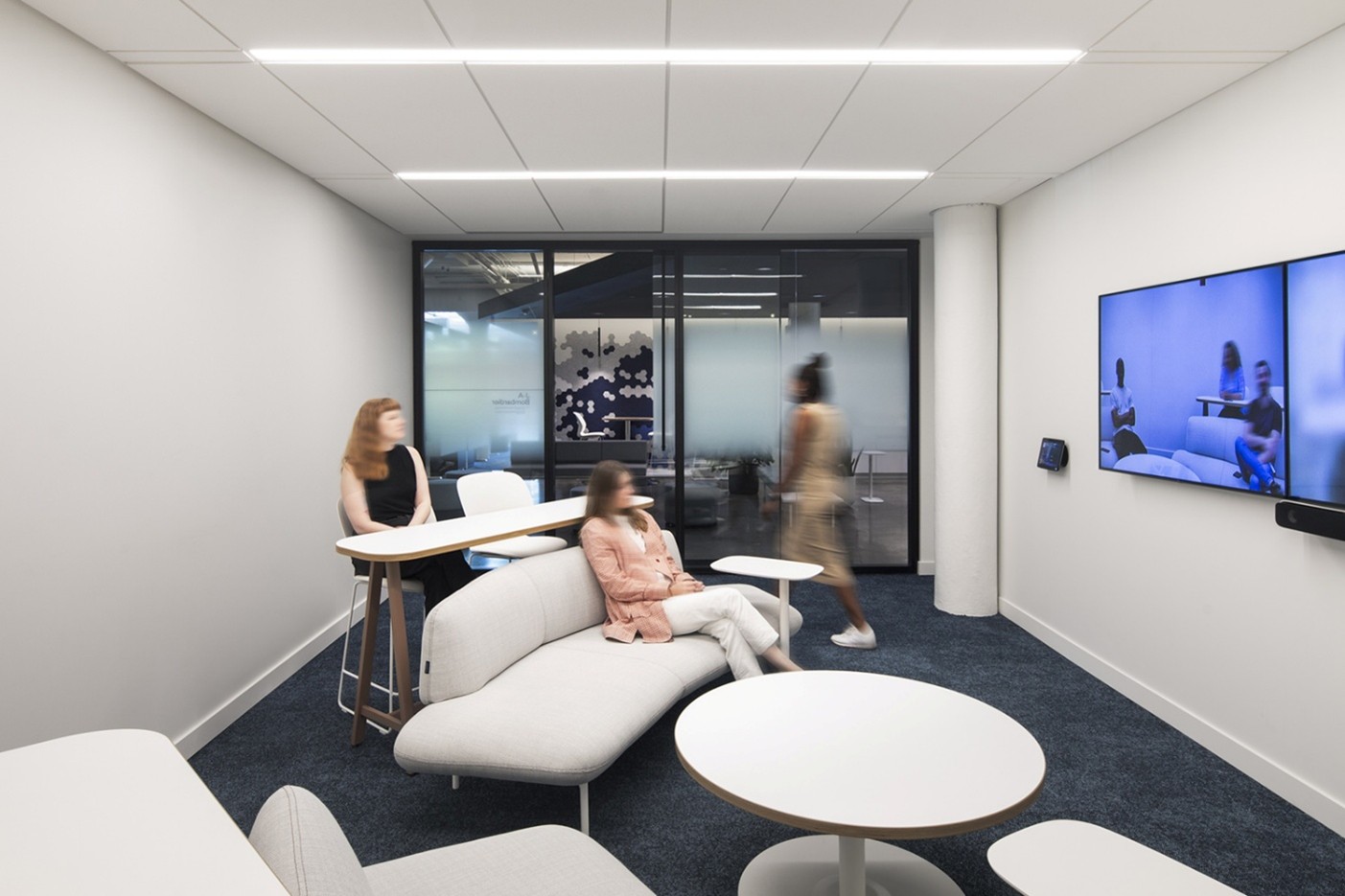
Photo © Adrien Williams
Looking ahead
The future of work won’t be defined by a single model, but by adaptability.
Organizations that thrive will be those that create human-centred environments — spaces that inspire trust, spark creativity, and nurture a lasting sense of belonging.
Ultimately, designing a workspace means creating an ecosystem of life.
A place where ideas flow, talent connects, and where people rediscover, day after day, the desire to move forward together.
Eve Morin

Photo © Marc Simard
Associate, Director of Interior Design at GKC Architecture & Design, Eve Morin stands out for her ability to translate brand identities into strong, coherent concepts.
A LEED‑accredited professional, she skillfully leads teams and projects, ensuring quality, strategic vision, and client relations. Her rich background—from corporate to hospitality—reflects a recognized expertise in creating innovative and functional spaces.
Aligning vision and action - GKC Architecture & Design has been a recognized leader in industrial, workplace and commercial architecture for over 65 years. Renowned for its strategic vision and technical excellence, the firm creates inspiring and sustainable spaces that embody its clients' ambitions and culture.
With approximately 4 million square feet designed and built each year, GKC emphasizes collaboration, vision, and a thorough understanding of its clients' business objectives to ensure the functional, aesthetic, and financial success of each project.
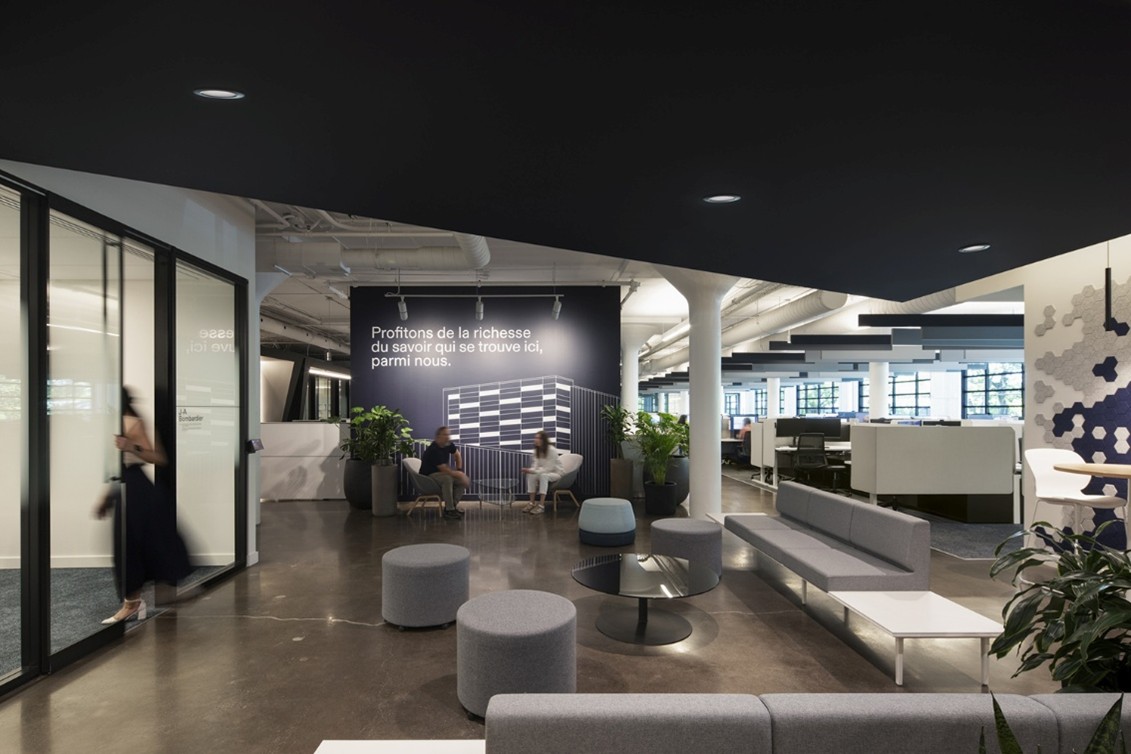
Photo © Adrien Williams
GKC Architecture & Design
Montréal | Toronto | Vancouver | Los Angeles
gkc.ca | info@gkc.ca