IMpower Natural Capital Solutions Project: Blue Finance Innovation

The most impactful blue finance solutions you need to know about and support
Can we really put a price on nature?
While the concept seems strange, ascribing a monetary value to natural assets such as coral reefs, mangrove forests and coastal habitats can actually promote conservation by revealing their unrecognised value.
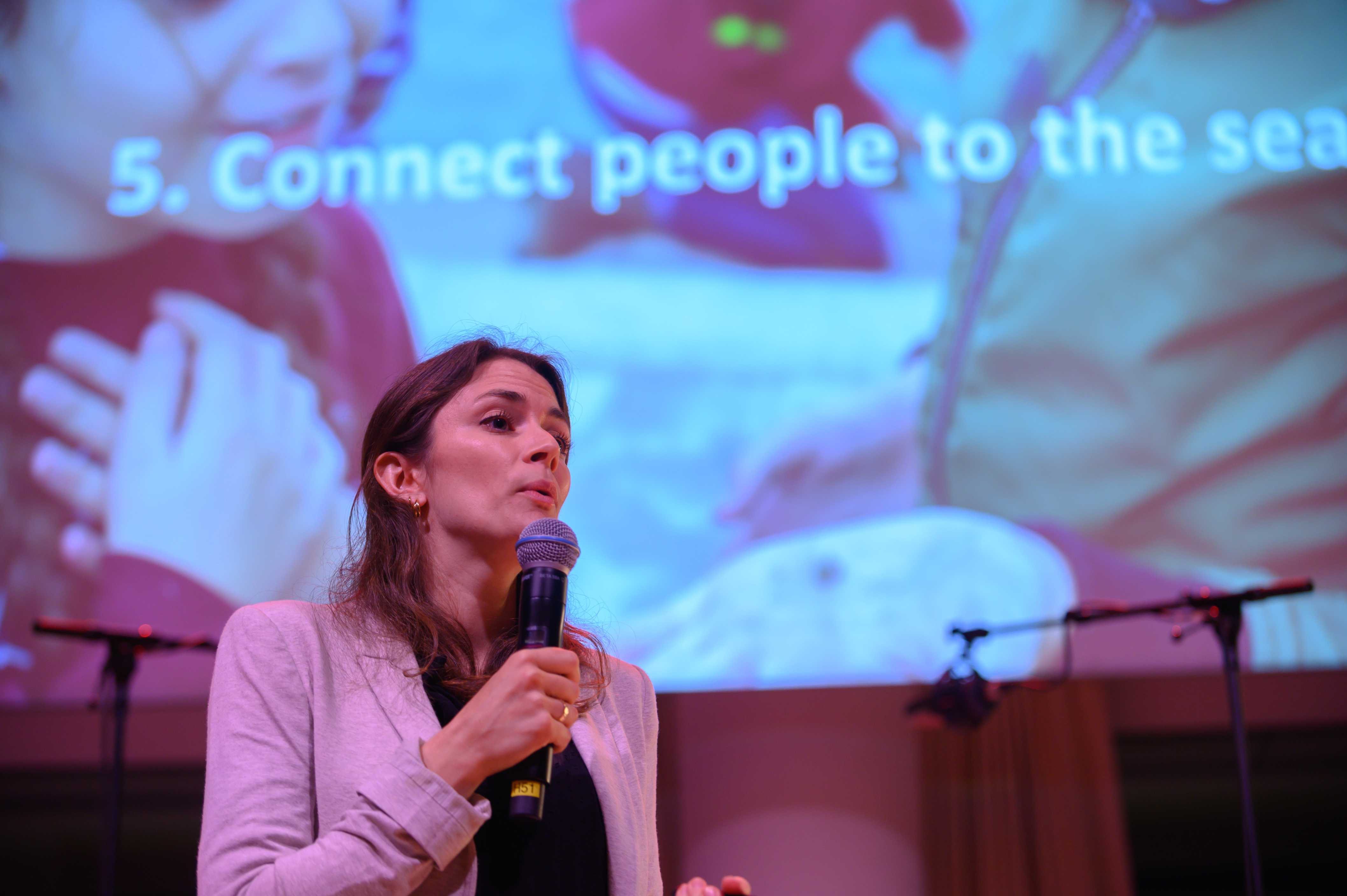
 Emily Norris is Head of Development in the blue economics unit at the Blue Marine Foundation, a marine conservation charity which aims to protect and restore the health of the ocean. It does this by creating marine protection areas, restoring habitats and supporting sustainable fishing.
Norris told delegates at IMPower Incorporating FundForum 2022 that the fourteenth UN Sustainable Development Goal (SDG) – Life Below Water – is among the least funded of all the SDGs. It is a cause relatively unloved by philanthropists too: Only 1% of philanthropic giving globally since 2009 has gone towards the oceans, she noted.
In total, ocean conservation requires $175bn in funding a year, but only gets around $25bn. Asset managers can help to plug the funding gap.
Norris talked through some of the options available to invest in the blue economy, from carbon offsetting to blue bonds, impact funds, debt-for-nature swaps and NFTs, with examples of how these can work in practice.
For instance, there is huge demand for carbon credits right now – the voluntary carbon credit market could be worth $50bn by 2030 – and blue carbon is the latest emerging trend. Norris explained that marine and coastal ecosystems such as mangroves, seagrass, salt marsh and kelp sequester and store carbon over a long time. But, because these habitats are degrading, they are actually now releasing about a billion tonnes of carbon dioxide each year.
Blue carbon credits are a valuable tool to increase investment in protecting and restoring these areas. “However, at the moment there’s a real lack of underpinning science. A huge amount of work needs to be done to get the scientists to a place where these credits can be realised,” said Norris.
As a success story in this area, she highlighted Kenyan project Mikoko Pamoja which aims to conserve 117 hectares of mangroves and plants over 20 years, generating carbon credits worth $12,000 per year. One third of this money will be invested into education and clean water for nearby villages. “Most blue carbon projects you’ll see will have real value in supporting the local community and enhancing biodiversity in the area,” she said.
Biodiversity credits, too, are an emerging investment class which recognises an increase in the number of species in an area. In Victoria, Australia, landowners can generate biodiversity offset credits by protecting native vegetation. Offset prices range from $1,000 per hectare for lowland forest, to $280,000 per hectare for saltmarsh.
“Sustainable financing mechanisms really can offer us huge potential to rethink the way we consider conservation funding to be based not purely on philanthropy,” Norris concluded. “Through this conservation finance, we really have the opportunity to significantly scale up investment into marine protection and restoration projects globally.”
Ocean Bottle: Cleaning the seas one bottle at a time
You may have heard the horrifying statistic that there will be more plastic than fish in the oceans by 2050. Will Pearson is an entrepreneur on a mission to change that.
The founder and co-CEO at Ocean Bottle explained what his company is doing to stem the tide of plastic pollution. Ocean Bottle is a reusable, stainless steel water bottle, and at least 15% of the company’s revenues fund the collection of ocean-bound plastic bottles. People in coastal communities exchange this plastic for funds which can be used to pay for tuition, healthcare and microfinance.
“What would you do if your sink was overflowing?” Pearson asked the delegates. “Would you start mopping the floor, or would you turn off the tap? We started Ocean Bottle because we got tired of seeing people leaving the tap on while pretending to mop the floor. We have a super simple mission: to enable individuals all around the world to create a tangible impact on the ocean plastic crisis with what we call the world’s most needed reusable bottle.”
He explained that each Ocean Bottle products funds the collection of 1,000 plastic bottles and helps set up much-needed infrastructure in coastal communities.
“With impact embedded at our core, there is absolutely no way you can tamper with it,” Pearson said. In fact, mentors and investors told him to reduce the impact in the company’s early days, but he refused.
Since inception, Ocean Bottle has funded the collection of 5.3 million kilos of ocean-bound plastic, equivalent to 472 million plastic bottles, enough to lap the planet twice.
While Pearson is proud of what his company has achieved, he noted the fight is definitely not over. In fact, plastic production and distribution is expected to double by 2040.
Ocean Bottle hopes to prevent seven billion plastic bottles from entering the ocean by 2025, and is on track to reach this goal.
The company is currently working on an impact platform which will incentivise people to bring their reusable bottle out with them every day by rewarding them with more plastic collection for free. He called on businesses within the asset management space to help fund innovative companies and initiatives like his in the future.
“By working with organisations like yours,” he told delegates, “our impact is multiplied.
Together, we really can make the difference the planet needs.”
Find out more about IMpower Incorporating FundForum here >>