A Taste of Tomorrow: The Food Trends That Will Rule 2026
The culinary world is undergoing a dynamic transformation, driven by evolving consumer preferences, cultural shifts, and innovative approaches to food. From the resurgence of authentic, heritage-driven cuisines to the rise of functional ingredients that prioritize health and wellness, the food trends of 2026 reflect a deep desire for connection, indulgence, and purpose. Diners are seeking more than meals—they crave stories, experiences, and flavors that resonate on a personal and emotional level. Whether it’s the visual drama of Instagram-worthy ingredients, the unapologetic authenticity of regional cuisines, or the balance of indulgence and wellness in guilt-free gourmet offerings, these trends are reshaping how we eat, cook, and experience food. Here’s a glimpse into the future of dining and the innovations that will captivate our palates.
Beyond Butter Chicken
Indian cuisine in the United States has undergone a remarkable evolution, transforming from a niche offering of familiar dishes to a vibrant, diverse culinary movement. Once limited to Northern Indian staples like tandoori chicken and naan bread, the cuisine is now celebrated for its depth, regional variety, and unapologetic authenticity. This transformation is not just a reflection of changing tastes but also a testament to the growing influence of the Indian-American community, which has more than doubled in size over the past two decades. “Next-Gen Indian” is poised to dominate the culinary landscape, earning its place as the “Cuisine of the Year” in the AF&Co. + Carbonate 2026 Hospitality Trends Report.
For years, Indian food in the U.S. was often simplified to cater to American palates, with dishes toned down in spice and complexity. However, the past two decades have seen a dramatic shift. As the Indian-American population has grown, so too has the presence of Indian restaurants, which have diversified and expanded the country’s understanding of the cuisine. Today, chefs are embracing the full spectrum of India’s regional cooking, showcasing bold, authentic flavors without compromise. This new wave of culinary innovation is redefining what Indian food means in America, moving beyond the predictable and into the extraordinary.
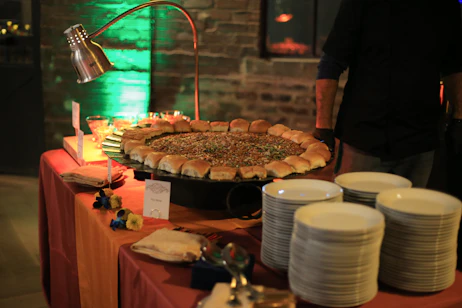
“We're seeing Indo-Chinese where it’s Chinese food with an Indian spin such as stir fry stations that are using traditional Indian flavors or ingredients,” says Rajan Mistry with District Events and Catering*, which specializes in South Asian weddings. “We’re seeing Indian pastas, we’re seeing Mexican quesadilla, nacho, and taco bars with Indian spices incorporated. “A lot of couples want to create unique experiences that maybe the average guest can’t experience at a regular Indian restaurant.”
Fiber Frenzy
Fiber is emerging as a major player in the health and wellness space. With gut health and GLP-1 hormones dominating discussions, manufacturers, retailers, and consumers are increasingly focusing on this essential nutrient. From TikTok trends to innovative product launches, fiber is set to rival protein as the most sought-after attribute in the food and beverage industry.
Fiber’s rise is powered by two key factors: the growing emphasis on gut health and the popularity of GLP-1 medications. Known for its ability to support digestive wellness, promote satiety, and aid weight management, fiber is gaining recognition as a holistic solution for modern health concerns.
A Focus on Ingredients
There is a new generation of ingredients that excel not only in taste but also in their ability to tell compelling stories and create stunning visual experiences. There is a growing consumer desire for transparency and authenticity, and diners are no longer satisfied with generic dishes; they crave connections to the origins of their food. Whether it’s heirloom tomatoes grown on a family farm or sea salt harvested from a specific coastal region, the story behind the ingredient adds depth and meaning to the dining experience. Chefs are responding by building menus around what’s freshest and most flavorful at any given time, allowing ingredients to lead the creative process rather than following it.
“We’re seeing guests drawn in by dishes that don’t just taste great but tell a story from the ingredient up,” says Mark Jeffers (Fifth Group Restaurants/Bold Catering & Design*). “We emphasize a focus on sourcing local vegetables picked in peak season and work with our vendors to support local farms and fishermen whenever possible. Our chefs build menus around what’s freshest and most flavorful at any given time, letting ingredients lead the creative process instead of following it. We also lean into sourcing our ingredients with integrity and paying tribute to the regional culinary tradition that provide a sense of place.”
Say Cheese
Halloumi—the salty, semi-hard cheese that grills and sears like a dream—is poised to take center stage in 2026 as a global food phenomenon. Once a niche Mediterranean specialty, halloumi is now rocketing to hero status, finding its way onto menus across the Americas and solidifying its presence in Europe, Australia, and the Middle East. From burger patties to salad toppers and breaded nuggets, halloumi is becoming a culinary chameleon, ready to meet the demands of modern consumers and food service trends.
With seven grams of protein per one-ounce serving, halloumi is an attractive option for health-conscious consumers seeking high-protein foods. Its firm texture and ability to hold its shape when grilled or fried make it a standout meat alternative, particularly for vegetarians and flexitarians. As plant-based eating continues to gain traction, halloumi offers a satisfying, protein-packed option that doesn’t compromise on taste or nutritional value.
Interactive Eating
The dining experience is undergoing a seismic shift, with 2026 poised to be the year of interactive dining. This trend is redefining how people engage with food, moving beyond the traditional meal service to create immersive, participatory, and sensory-rich experiences.
From customizable dishes to live culinary performances, interactive dining is transforming the way we eat, connect, and share moments around the table.
“Interactive dining brings the kitchen to life right in front of our guests, who experience chefs searing, plating, and finishing dishes on the spot,” says Mark Jeffers (Fifth Group Restaurants/Bold Catering & Design*).
Interactive dining extends beyond the food itself, encompassing the entire dining environment. Décor, design, and ambiance play a crucial role in creating memorable experiences. Restaurants and caterers are now incorporating open kitchens, original performances, and immersive design elements to captivate diners and encourage them to stay longer.
Let’s Talk Tallow
Beef tallow is making waves in the culinary world, and experts predict it will be one of the hottest food trends in 2026. This centuries-old cooking fat is being rediscovered by chefs, home cooks, and health-conscious consumers alike, marking a delicious return to ancestral cooking methods. With its rich flavor, high smoke point, and versatility, tallow is proving that sometimes the most exciting food innovations come from looking backward.
The resurgence of tallow represents more than just a fleeting food fad—it’s a revival of time-tested cooking methods that have been valued for generations. Prized for its ability to elevate dishes with depth and richness, tallow is being embraced by consumers who are seeking alternatives to conventional cooking oils. This shift reflects a broader movement toward ancestral ingredients that offer both nutritional benefits and authentic flavors.
Sensory Maximalism
The evolution of dining in 2026 is marked by a focus on sensory innovation. This trend is not about excess for its own sake but about creating depth, precision, and immersive experiences that engage all the senses. By embracing a multi-sensory approach, using color, texture, aroma, and sound, caterers can create meals that are as much about the experience as they are about the taste. It’s a movement that celebrates intensity, originality, and the art of sensory indulgence.
From flaming desserts to aromatic herbs sizzling in a pan, the dining experience is becoming a feast for all five senses.
Complex heat: Layered spice without overwhelm
In 2026, heat is no longer about a single, overpowering burn. Instead, sauces with medium spice levels and layered profiles—smoky, tangy, and fruity—are transforming how we experience spice. These nuanced flavors add depth without overwhelming the palate, reflecting a growing demand for complexity over intensity. This approach aligns with the broader maximalist ethos: creating dishes that unfold in layers and linger in memory.
Creamy textures: the new comfort food
Rich, smooth textures are emerging as the ultimate form of indulgence and sensory comfort. From pillowy cold foams to reimagined cottage cheese, creamy textures are redefining what it means to feel comforted by food. These innovations cater to consumers’ desire for tactile, nostalgic experiences that also feel fresh and modern.
Butter reimagined
Butter is making a bold comeback, but with a twist. Nostalgic yet innovative blends like chili honey butter and herbed miso butter are elevating this classic ingredient to new heights. These compound flavors embody the maximalist philosophy, combining familiarity with creativity to deliver indulgent, memorable experiences.
Chewy is the new crunchy
Chewy textures—long celebrated in Asian cuisines—are gaining traction in the U.S., particularly among Gen Z consumers. Foods like mochi, tapioca pearls, and gummies are prized for their "stretchy," "bouncy," and evolving textures. According to the Collage Group, 58% of Gen Z loves chewy foods. The rise of bubble tea and Asian desserts has fueled this trend, which intersects cultural crossover, sensory satisfaction, and social media appeal.
Swicy evolves into swavory
Sweet-heat mashups dominated 2025, but 2026 will see the resurgence of sweet-savory combinations in unexpected ways. Think miso caramel, tahini soft serve, and balsamic vinegar paired with cheese. These pairings reflect a growing appetite for bold, unconventional flavor profiles that surprise and delight.
Charred and smoked: playing with fire
Charring, smoking, roasting, and ultra-caramelizing are becoming essential techniques for emphasizing the natural characteristics of ingredients. From vegetables and cocktails to desserts and sauces, chefs are using fire to create bold, smoky flavors that add depth and intrigue to dishes.
The rise of scent-driven food
While flavor and visual appeal have long dominated the food industry, aroma is emerging as a critical factor in consumer decision-making. Scientists estimate that smell accounts for 70-90% of flavor, and over 61% of consumers now rank aroma as one of the most important factors when choosing what to eat or drink. The aromatic waft of freshly baked bread or sizzling garlic not only enhances flavor but also triggers emotional and nostalgic responses, making meals more memorable.
Maximalist flavor is the heart of Sensory Maximalism, turning up the volume on taste, texture, and aroma. This trend is about layered, multisensory experiences that defy restraint and celebrate originality. It’s characterized by:
“We create menus and experiences that awaken all five senses,” says Mark Jeffers (Fifth Group Restaurants/Bold Catering & Design*). “We fill the room with the sounds, aromas, and energy of live cooking that draws people in, turning a meal into an experience. Whether it’s a flambe of a dessert, aromatic herbs hitting a sauté pan, or dry ice creating a misty backdrop to a raw bar, the layers of excitement and personalization make the dining experience feel alive and unforgettable.”
Simply Rustic
In a world increasingly dominated by technology and fast-paced lifestyles, the culinary landscape is shifting toward simplicity and authenticity. The "Simply Rustic" food trend is poised to take center stage in 2026, offering a sophisticated return to fundamental cooking principles and authentic flavor experiences. This movement celebrates purposeful cooking, where deeply satisfying dishes nourish both body and soul, while reconnecting diners with the beauty of honest, ingredient-driven cuisine.
Rustic cuisine is not about basic cooking; it’s about thoughtful preparation, restraint, and trust in high-quality ingredients.
“Honest rustic cuisine is a return to what truly matters: real ingredients, thoughtful technique, and genuine flavor,” says Mark Jeffers (Fifth Group Restaurants/Bold Catering & Design*). “It’s food that feels grounded yet elevated, and when combined with a beautiful setting and polished service, it creates an effortless balance between comfort and sophistication that makes guests feel both at home and indulged.”
These food trends paint a vivid picture of a culinary world that is as diverse as it is innovative. From the celebration of authenticity and heritage to the embrace of functional, health-conscious ingredients, these trends reflect a collective shift toward meaningful, intentional dining experiences. Chefs, caterers, and food creators are rising to the challenge, crafting dishes that not only delight the senses but also tell stories, foster connections, and promote well-being. As we navigate this exciting era of culinary evolution, one thing is clear: the future of food is rooted in creativity, authenticity, and a deep respect for the ingredients and traditions that bring us together. Whether it’s through bold flavors, nostalgic comforts, or visually stunning presentations, these trends promise to inspire, delight, and redefine the way we experience food.
For a deeper dive into these and additional trends, head over to Cater+Event. * District Events and Catering and Bold Catering & Design are proud members of the Leading Caterers of America, a consortium of the top catering and event planners throughout the United States and Canada.

Photo Courtesy: District Event and Catering

Photo Courtesy: District Event and Catering
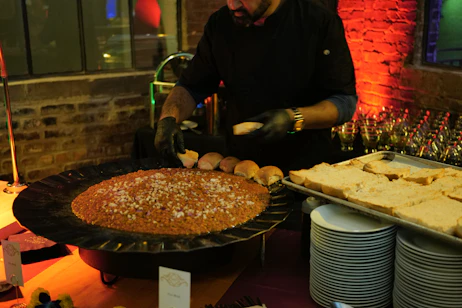
Photo Courtesy: District Event and Catering