
Enforcement remains front and centre across the PCC agenda, with prosecutor led panels, discussions involving the DOJ and FCA, and sessions examining enforcement trends across the full product lifecycle. The message emerging from these conversations is clear. Enforcement risk is not diminishing and in many areas it is becoming more complex and more visible.
Authorities are increasingly sophisticated in how they identify and pursue potential misconduct. Data analytics, whistleblower reporting, and enhanced cross border cooperation now play a central role in enforcement activity. Issues that once might have remained local or internal are more likely to surface, escalate quickly, and attract attention across multiple jurisdictions. At the same time, enforcement actions are more public than ever, extending their impact beyond financial penalties to include lasting reputational and operational consequences.
Why this matters now
• Regulators are more proactive and data driven in how they identify and prioritise risk
• Enforcement outcomes are highly visible and subject to intense public, investor, and media scrutiny
• Boards and senior leadership face growing expectations to demonstrate active oversight and accountability
In this environment, organisations are judged not only on whether issues occur, but on how quickly they are identified, how thoughtfully they are addressed, and how clearly decision making and governance can be demonstrated.
The value for PCC attendees
PCC enforcement focused sessions offer a rare opportunity to hear directly from former prosecutors, regulators, and experienced practitioners who have operated on both sides of enforcement actions. These perspectives help demystify how enforcement decisions are made and what factors influence outcomes in practice.
For compliance leaders, these discussions provide practical insight into how enforcement authorities assess corporate behaviour, evaluate compliance programme effectiveness, and interpret data and documentation during investigations. The emphasis shifts from theoretical requirements to real world application.
For PCC attendees, this means gaining clearer understanding of how to
• Strengthen proactive monitoring and issue detection
• Build clear and defensible documentation that stands up to scrutiny
• Demonstrate effective governance and escalation to senior leadership and boards
As enforcement activity becomes more visible and more data driven, compliance teams must be able to show not just that controls exist, but that they are working. PCC provides a forum to understand how enforcement risk is evolving and how organisations can respond with greater confidence and accountability.
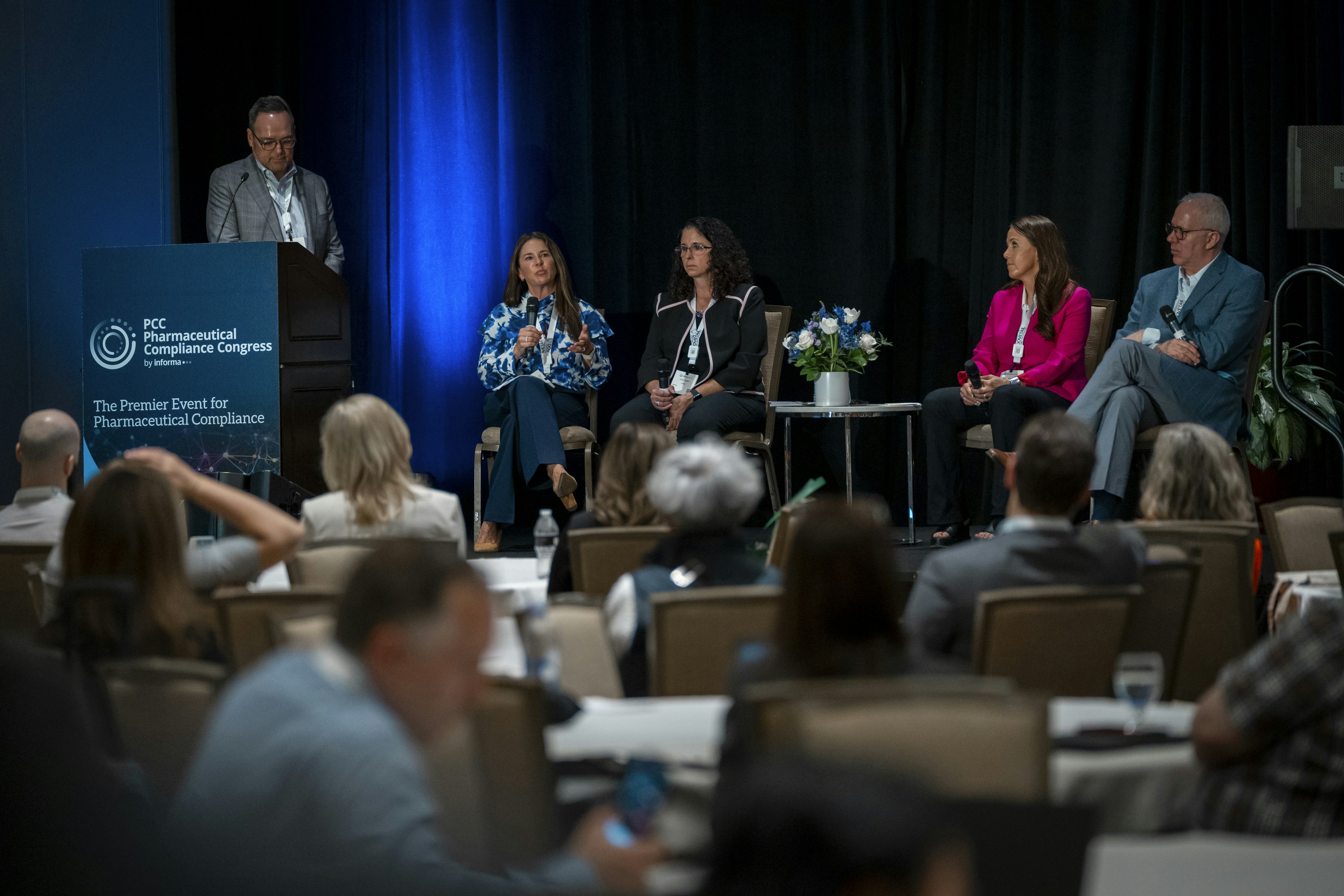
Prosecutor Panel: The Big Picture in Life Science Enforcement
- Hear directly from U.S. Attorneys on the most recent CIA’s and an analysis of settlement trends
- Areas currently being closely looked at by investigators?
- What methods, analysis, and data are being utilized during investigations?
- Has the Blanche Memo led to an increase in cases?
- SEC perspective and priorities

Former Prosecutors Panel - Interpreting the Latest DOJ Actions and Investigations
- Commentary on the latest developments from DOJ
- Update on DOJ’s health care fraud, FCPA, and other corporate enforcement
- DOJ guidance to prosecutors and its significance for pharmaceutical companies
- The current state of False Claims Act litigation
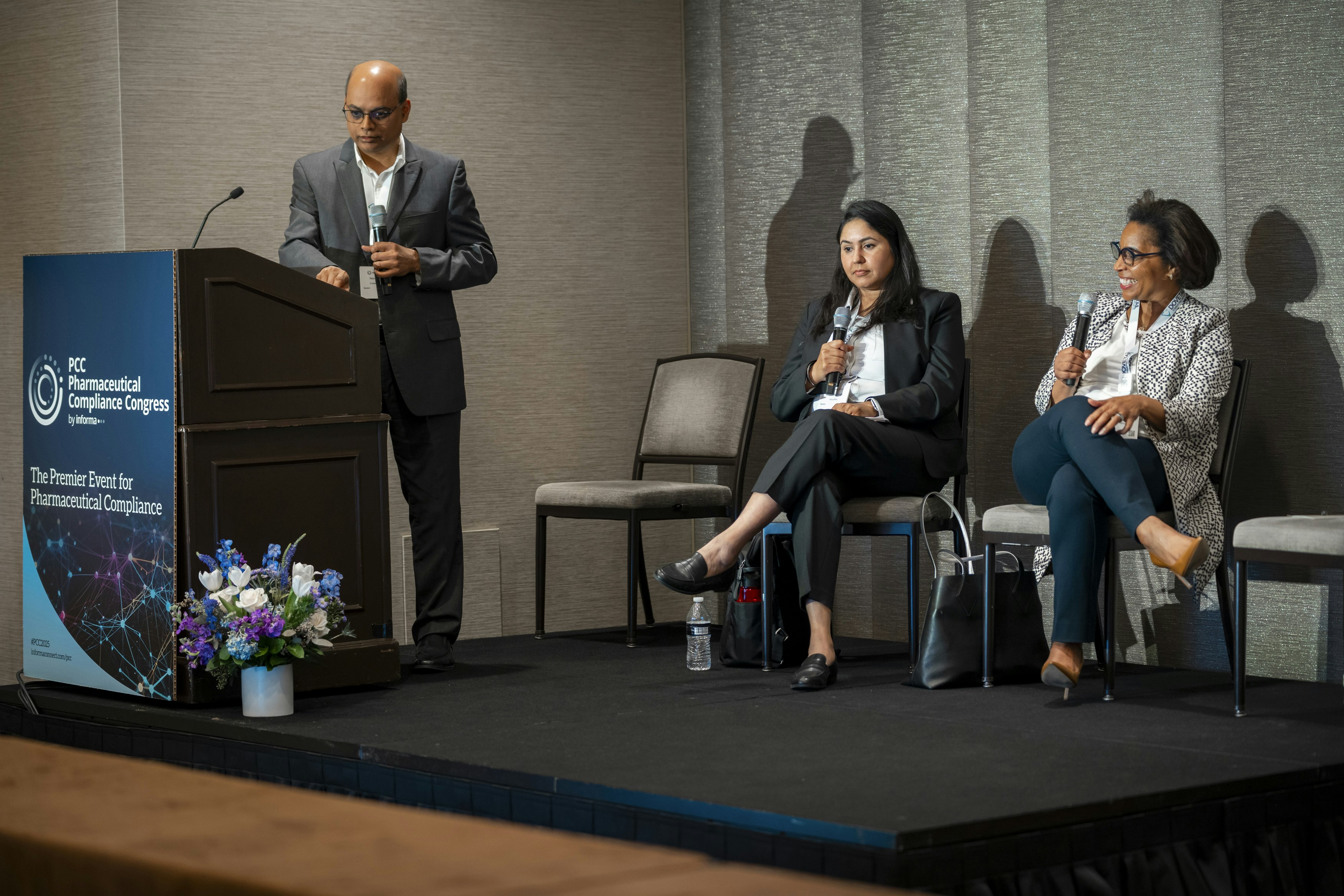
KEYNOTE Key FDA Developments for Drug Advertising and Practical Compliance Take-Aways
- Insight into the current priorities at the FDA and their scrutiny on consumer-facing promotion.
- Appetite for a sustained shift in enforcement activity.
- Regulators' insight into the monitoring activities undertaken by organizations and the use of AI and social media.