
Digital communication is woven throughout the PCC agenda, from sessions on data analytics and monitoring to broader discussions on modern compliance tools and operating models. Among these topics, social media and digital engagement stand out as a distinct and growing challenge for compliance teams.
Unlike traditional, centrally controlled communication channels, social media is fast-moving, global by default, and often informal in tone. Content can be created, published, and amplified within minutes, sometimes by individuals far removed from formal review processes. Whether used for corporate communications, disease awareness campaigns, patient engagement, or employee advocacy, digital channels require compliance teams to rethink controls that were originally designed for slower, more predictable, and tightly governed environments.
This shift forces a fundamental question: how do organisations maintain compliant behaviour without undermining the speed and authenticity that make digital engagement effective in the first place?
Why this matters now
- Social and digital channels are no longer optional; they are central to how organisations engage with customers, patients, healthcare professionals, and the public
- Content is created and shared in real time, often crossing borders instantly and triggering multiple regulatory regimes simultaneously
- Regulators, stakeholders, and the public are scrutinising online behaviour more closely, with digital missteps increasingly leading to reputational harm and enforcement attention
At the same time, digital platforms continue to evolve faster than regulatory guidance, leaving compliance teams to interpret existing rules in contexts they were never explicitly designed to address.
The value for PCC attendees
PCC sessions addressing analytics, monitoring, and emerging compliance technologies provide practical insight into how organisations are adapting to this reality. Attendees gain exposure to how peers are balancing speed with oversight, and how technology can be used to identify risk patterns, flag emerging issues, and support proportionate intervention without creating unnecessary friction.
Importantly, these discussions move the focus away from overly complex approval structures and towards clarity and accountability. Effective digital compliance relies on clear guidance that employees can apply in real time, practical training that reflects how platforms are actually used, and well-defined escalation pathways for when uncertainty arises.
For PCC attendees, this translates into actionable takeaways on how to:
- Enable compliant digital engagement without stifling innovation
- Design controls that scale across platforms and geographies
- Use data and monitoring tools to support judgment, not just enforcement
As digital engagement continues to accelerate, compliance teams must operate at the same speed as the business. PCC provides a forum to explore how organisations are doing exactly that responsibly, transparently, and in line with evolving regulatory expectations.

QUICK FIRE USE CASE Successful Compliance Communication Strategies in Action
3 rapid 10-minute case studies with practical, actionable takeaways
Real-world solutions from industry leaders tackling common challenges
Clear opportunities to optimize resources and drive impact

QUICK FIRE USE CASE From Data to Disruption: Reinventing Compliance Through Applied AI
AI-powered risk detection: flag anomalies, spot emerging risks, and focus monitoring
Smarter, efficient compliance: automation, predictive analytics, and GenAI to cut time, cost, and error
Scalable AI strategy: right-sized, cost-effective capabilities for pharma and biotech
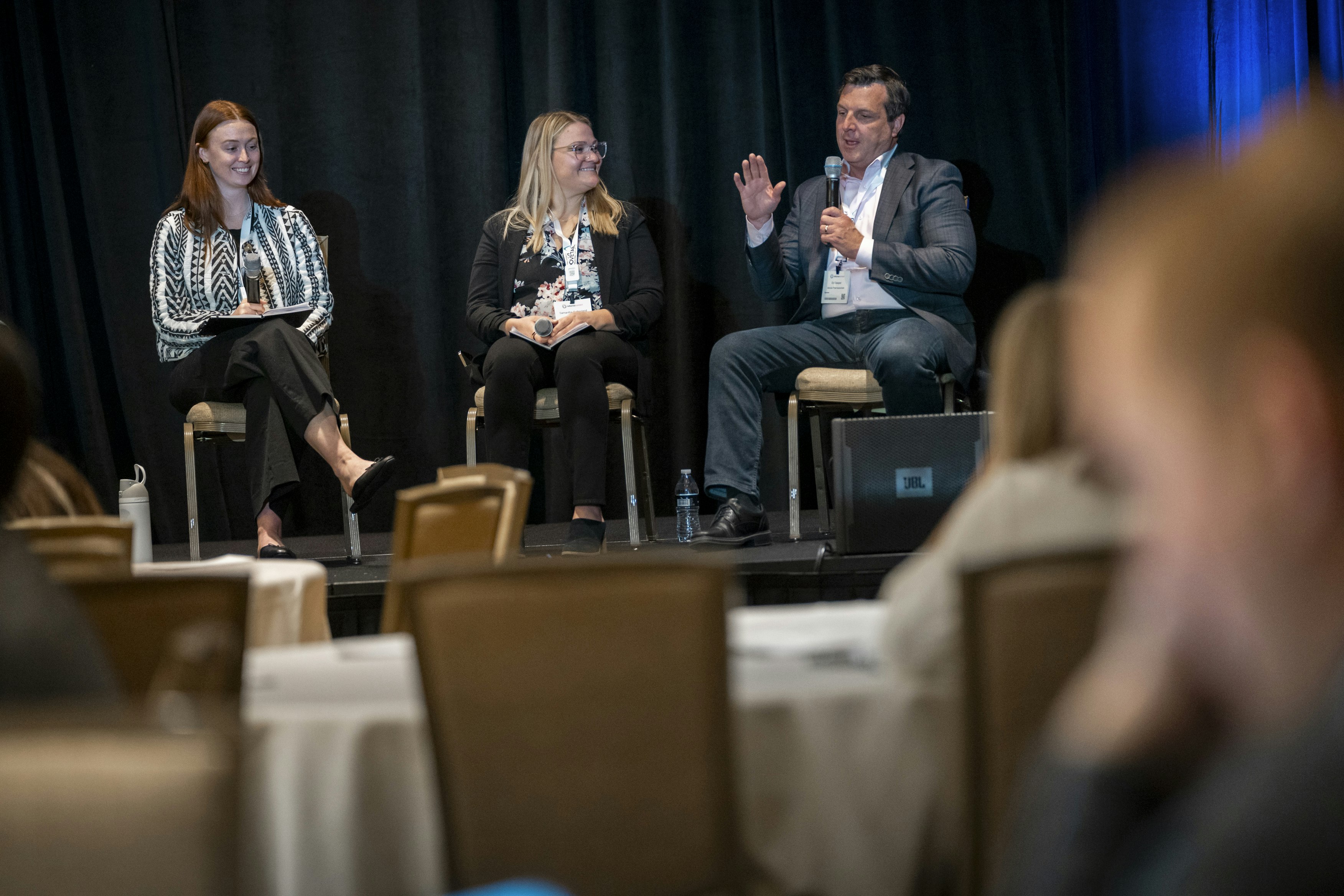
Navigating Social Media
Social media governance: core policy fundamentals and influencer guardrails
Risk & value management: FMV, commercial team activity, and global risk exposure
Monitoring & enforcement: third-party tools, AI, and cross-border considerations