Millennial
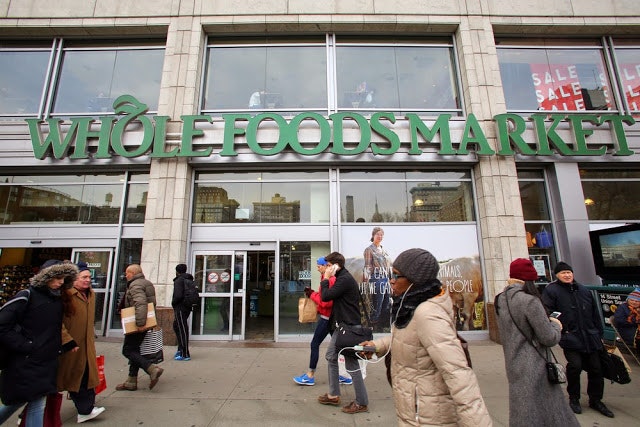
Whole Foods Focuses on Fickle Millennials
'I wish I could afford to buy good organic produce whilst
still being able to pay off my student loans.' This is something I, as a
millennial, say to myself every time I go to do my weekly food shop. Millennials
like myself have become the focus for many retail industries due to the huge
potential that they provide and Whole Foods are looking to take advantage.
still being able to pay off my student loans.' This is something I, as a
millennial, say to myself every time I go to do my weekly food shop. Millennials
like myself have become the focus for many retail industries due to the huge
potential that they provide and Whole Foods are looking to take advantage.
Whole Foods Market recently announced their plans to launch
a new store that is targeted specifically to millennials. The new stores, that
are yet to be named, will be complimentary to the existing Whole Foods Markets
but will provide a more limited array of foods at cheaper prices in order to
cater for the beliefs and needs of the millennial generation.
a new store that is targeted specifically to millennials. The new stores, that
are yet to be named, will be complimentary to the existing Whole Foods Markets
but will provide a more limited array of foods at cheaper prices in order to
cater for the beliefs and needs of the millennial generation.
Millennials are notorious for being difficult to please;
they demand the best yet at low cost. Millennials being the highest users of
social media have been brought up using the internet to discern the best value
products by trawling reviews and forums. However when it comes to food, most
good standard products do not differ a huge amount in price. I know from
personal experience, that most of the time if I want cheap produce, I have to
take a hit in terms of quality.
they demand the best yet at low cost. Millennials being the highest users of
social media have been brought up using the internet to discern the best value
products by trawling reviews and forums. However when it comes to food, most
good standard products do not differ a huge amount in price. I know from
personal experience, that most of the time if I want cheap produce, I have to
take a hit in terms of quality.

Though millennials are commonly associated as being far more
concerned about ethical issues behind organic produce, the 'boomer' generation
account for a far higher percentage of purchasers. Millennials at the moment
may be at the start of their careers, not earning as much as boomers whilst
paying off student debts. So Whole Foods Markets, Inc. creating smaller stores,
with high quality products for cheaper prices is surely a recipe for success
within the millennial generation. By setting up these stores in areas filling
up with young professionals they will harness a huge market of food values
driven people and could create loyalty in a notoriously disloyal demographic of
consumers.
concerned about ethical issues behind organic produce, the 'boomer' generation
account for a far higher percentage of purchasers. Millennials at the moment
may be at the start of their careers, not earning as much as boomers whilst
paying off student debts. So Whole Foods Markets, Inc. creating smaller stores,
with high quality products for cheaper prices is surely a recipe for success
within the millennial generation. By setting up these stores in areas filling
up with young professionals they will harness a huge market of food values
driven people and could create loyalty in a notoriously disloyal demographic of
consumers.
The questions on my mind that arise from such an
announcement is whether consumers may ask 'well surely Whole Foods have been
ripping us off if they can set lower prices at these new stores'?
announcement is whether consumers may ask 'well surely Whole Foods have been
ripping us off if they can set lower prices at these new stores'?
Could there
be a potential backlash that sees the main stores see a huge decline in
customers? This in turn could lead to a decline in bigger stores and an increase
in new smaller ones. Will this in turn mean Whole Foods ends as a small food
store to rival Trader Joes and other similar companies? If so, will these
rivals lower these prices and cause continuous price drops that could create
profit decline across the industry? This in turn to me could mean a decline in
profit for the farmers and original producers of the food and this is what the
millennials are associated with being concerned about.
be a potential backlash that sees the main stores see a huge decline in
customers? This in turn could lead to a decline in bigger stores and an increase
in new smaller ones. Will this in turn mean Whole Foods ends as a small food
store to rival Trader Joes and other similar companies? If so, will these
rivals lower these prices and cause continuous price drops that could create
profit decline across the industry? This in turn to me could mean a decline in
profit for the farmers and original producers of the food and this is what the
millennials are associated with being concerned about.
Despite my negative questions, I do believe the new stores
will be a success. Cheaper produce in up and coming areas will definitely be
popular with millennials. There are potential roadblocks that should be
addressed in a proactive fashion in order to make sure the easily bored and
brand disloyal millennials grow up into a new boomer generation who stay with
Whole Foods Market, Inc.
will be a success. Cheaper produce in up and coming areas will definitely be
popular with millennials. There are potential roadblocks that should be
addressed in a proactive fashion in order to make sure the easily bored and
brand disloyal millennials grow up into a new boomer generation who stay with
Whole Foods Market, Inc.
About the Author:
Harry Kempe, a marketing intern at IIR USA, who works on various aspects of the
industry including social media, marketing analysis and media. He is a recent
graduate of Newcastle University who previously worked for EMAP Ltd. and WGSN as
a marketing assistant on events such as the World Architecture Festival, World
Retail Congress and Global Fashion Awards. He can be reached at hkempe@IIRUSA.com.
Harry Kempe, a marketing intern at IIR USA, who works on various aspects of the
industry including social media, marketing analysis and media. He is a recent
graduate of Newcastle University who previously worked for EMAP Ltd. and WGSN as
a marketing assistant on events such as the World Architecture Festival, World
Retail Congress and Global Fashion Awards. He can be reached at hkempe@IIRUSA.com.